
 Suicide is NOT a dirty word. It is not a bad word that needs to be whispered or avoided. When we treat the word suicide like it is something that CANNOT be talked about, we are further stigmatizing mental health, and making people who are experiencing suicidal ideation feel more isolated than they already have. The more we normalize talking about suicide and mental health, the more likely people are to ask for help. The more we discuss risk factors for suicide, warning signs and protective factors, the more capable we are in helping those we love. Let's talk about it.  According to the most recent data from National Alliance on Mental Illness (NAMI) Suicide is the SECOND leading cause of death among people aged 10-14, and the THIRD leading cause of death for people between 15-24 years old. That is heartbreaking. NAMI also states that lesbian, gay and bisexual youth are nearly 4x more likely to attempt suicide than straight youth. Absolutely devastating. Knowing the warning signs of suicide is SO important in supporting those in your life who struggle with their mental health and/or suicidal thoughts. warning signs of suicide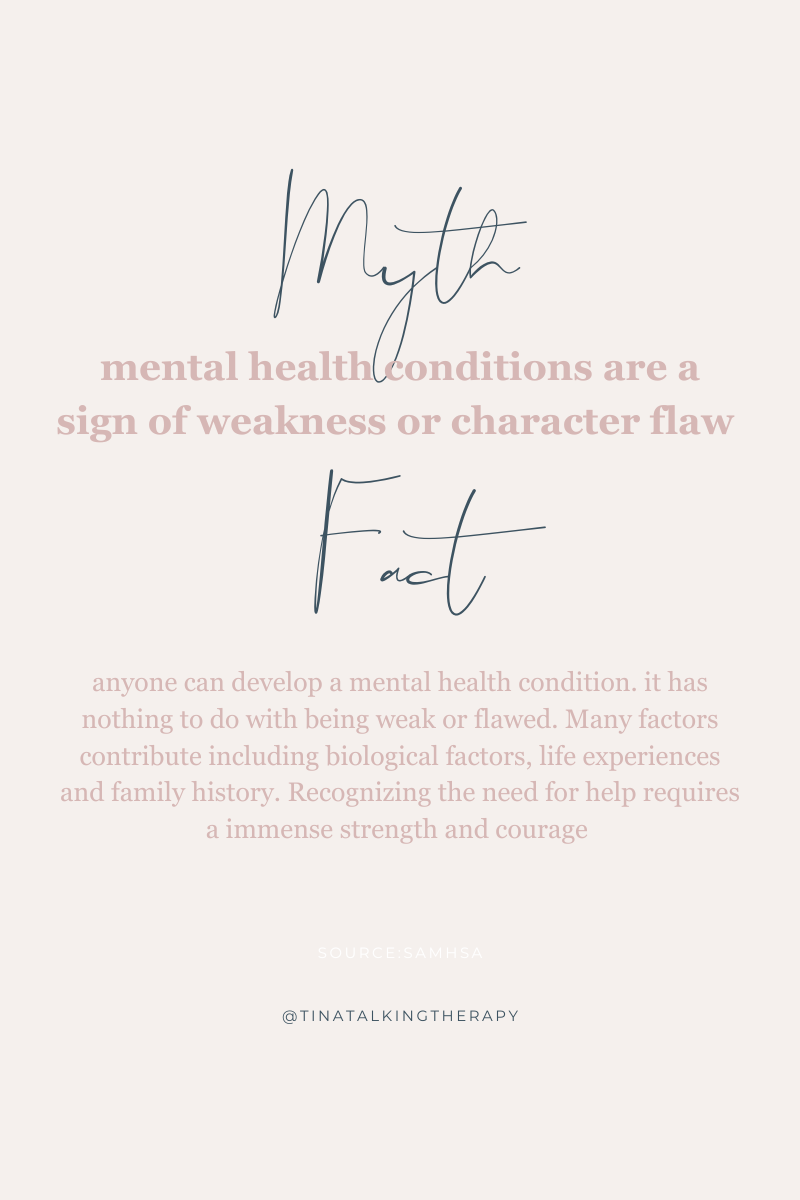 risk factors for suicideThere is no single cause for suicide. It is not a linear progression that is the same for every person. There are certain factors that increase the chance that a person may attempt or complete suicide. Knowing the factors that may make someone more vulnerable is a vital aspect to suicide awareness and prevention. 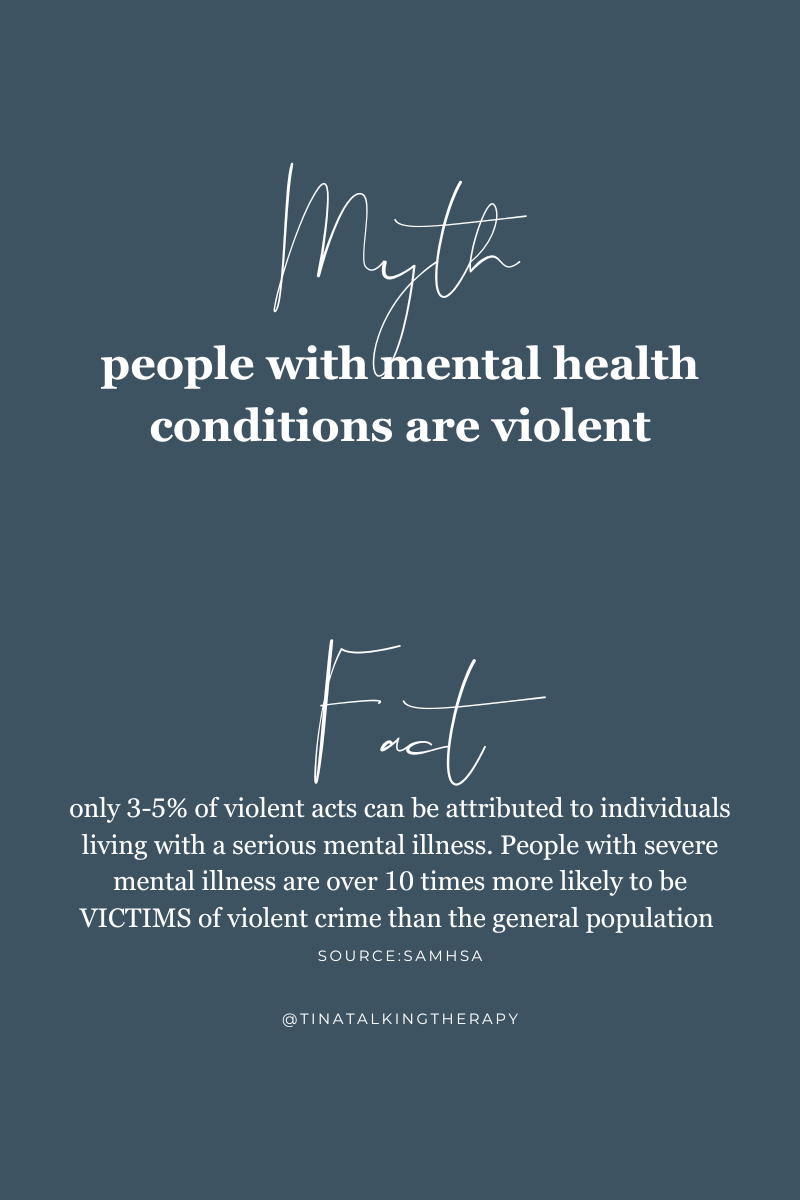 protective factorsThere are also many factors that help to REDUCE risk for suicide. EVERYONE can help reduce the risk of suicide - have a strong support network is a HUGE part of protective factors!  need help or know someone who does?Contact the 988 Suicide and Crisis Lifeline if you are experiencing mental health related distress or are worried about a loved one who may need crisis support. Call or text 988 to connect with a trained crisis counselor. 988 is confidential, free, and available 24/7/365 Call the National Suicide Prevention Lifeline at 1-800-273-TALK (8255) 911 and local emergency rooms are also valuable resources in times of crisis. Share this post to continue to end the stigma surrounding mental health and save lives.
0 Comments
Leave a Reply. |
Christina TaylorFormer Athletic Trainer, current Mental Health Professional. Boston sports lover. Archives
December 2023
Categories
All
|
 RSS Feed